How to Choose Between Residential Care Homes: A Practical Guide to Quality
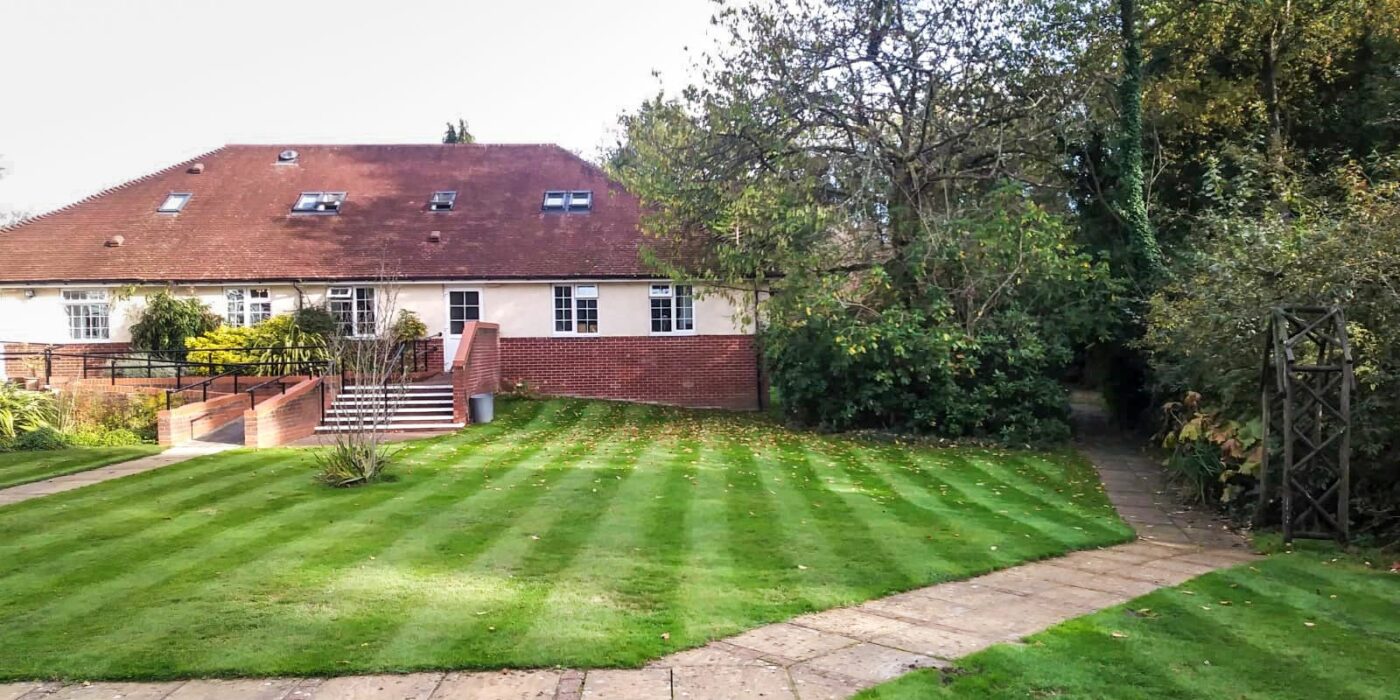
With so many residential care homes to choose from, knowing what to look for makes all the difference. At Forest Brow, our residential care home in Liss, Hampshire, we always offer advice to follow these three steps to make a choice: do your research, visit in person and trust what you see and feel. In this guide there is the practical steps for evaluating quality, the questions worth asking on a visit, how residential care compares with assisted living, as well as what to look for if your loved one is living with dementia.
Assessing the quality of a residential care home
How do I evaluate the quality of a residential care home?
Evaluating a residential care home starts with evidence that is publicly available. You can read the home’s latest Care Quality Commission inspection report, which assesses whether the home is safe, effective, caring, responsive and well led. Look at how the home has responded to any recommendations, because a home that acts on feedback and keeps improving is a home with the right culture. Though our CQC rating did involve needed improvements, these have now been acted upon positively, developing a content environment. Next, look at the staff. Ask about qualifications, training and staff turnover. At Forest Brow, every member of our care team holds a Level 3 Diploma in care, with some qualified to Level 5, and our team’s dedication has been recognised with awards, including a Manager of the Year award.
Quality also shows itself in the details that can be seen when you come to visit. Are residents engaged and content, or sitting in silence in front of a television? Do staff speak to residents warmly and by name? Is there an activities programme, and is the food freshly cooked? Small homes often shine here. With fewer residents, staff genuinely know each person, and care is personal and tailored. The ratio of staff to residents, the consistency of the team and the atmosphere you sense within minutes of walking through the door all reveal the standard of care being delivered every day.
What questions should I ask when visiting a care residential home?
A visit is your best opportunity to judge a care residential home, so it is best to come with questions prepared. Ask how care plans are created and how often they are reviewed. Ask about staffing levels during the day and overnight, and whether residents are assigned a dedicated carer, as they are at Forest Brow, because consistency builds trust and a homely environment where individuals feel safe. Ask what happens when a resident’s needs change or when they become unwell, and how quickly medical help is arranged.
It is also important to ask about daily life. What does a typical day look like? What activities are organised, and who runs them? Ask to see the bedrooms, the dining room and the gardens, and ask whether you can stay for a meal to see what that time and the food is like. Fees deserve honest discussion too, so ask exactly what is included and what costs extra. Finally, ask how the home communicates with families and whether visiting is genuinely flexible. Forest Brow has opening hours and is very accessible via public transport, meaning that visiting could not be made easier. Visits are an important part of care and so this is a priority for residential care homes that truly care.
Comparing residential care homes with other care options
How do residential care homes compare to assisted living facilities?
Assisted living allows older people to live in their own self-contained flat within a development, with care staff available and support present when needed. It suits people who are largely independent but want reassurance and occasional help. Residential care homes offer something more complete. Care is provided around the clock, meals are cooked and served, housekeeping is taken care of, and constant support is woven into every day rather than something a person must seek out.
The right choice depends entirely on the level of need. Someone who manages well alone may thrive in assisted living for years. For a person who needs daily personal care, has become isolated or is living with dementia, a residential care home is usually the safer and happier option. It removes the risks of living alone, guarantees that support is always seconds away and provides a ready-made community. Many families tell us that the transformation they see after a loved one moves to Forest Brow, in mood, appetite and engagement with life, settles any doubt about whether they made the right choice.
What ratings or reviews should I check for residential care homes?
Start with the official rating. Every care home in England receives a CQC rating of Outstanding, Good, Requires Improvement or Inadequate, and the full inspection reports behind these ratings are free to read on the CQC website. Read the most recent report closely, note when the inspection took place and see how the home has responded since, as previously mentioned this is just as important.
Independent review platforms add the personal perspective. Websites such as carehome.co.uk publish verified reviews from residents and relatives, often with scores for categories such as staff, food, dignity and value for money. Google reviews offer further first-hand accounts. When reading reviews of residential care homes, look for patterns, and pay attention to how the home responds to feedback which is of utmost importance. Recommendations from local GPs, social workers and friends who have been through the same search are also useful places to look. No single source tells the whole story, so combine the official picture with real family experiences before you shortlist.
Cost comparisons matter here as well. Assisted living can appear cheaper at first glance, yet once care hours, meals, utilities and service charges are added, the gap often largely narrows. When comparing options, always ask each provider for a complete breakdown of what is and is not included, so you are comparing like with like. At Forest Brow, our weekly fee covers care, accommodation, all meals and most in-house activities, which gives families clarity and makes budgeting far simpler.
Specialist dementia care in residential care homes
Are there residential care homes that specialise in dementia care?
Yes, and for families supporting a loved one with dementia, this specialism should be near the top of the checklist. Dementia care requires specific training, patience and an environment designed to reduce confusion and anxiety. Not every home offers it, so always ask directly whether staff are trained in dementia care and how the home adapts daily life for residents living with the condition.
Dementia care is Forest Brow’s niche. Our staff are trained to care for residents with dementia and tailor each day around the individual, building routines that provide comfort and familiarity. The consistency of our approach matters enormously here. Each resident has an assigned carer, faces stay familiar, and our around-the-clock staffing means reassurance is always at hand. Combined with our homely, calm village setting, this makes Forest Brow a fitting environment for people living with dementia, whether they join us permanently or for respite care. Please do get in touch if you have any additional queries, we are more than happy to answer any questions. At Forest Brow, we strive to create the ideal environment for each individual that we care for.
Come and see the quality for yourself
Reports, ratings and reviews will take you a long way, yet nothing replaces a visit. We warmly invite you to come and experience Forest Brow for yourself, meet our award-winning team, see our boutique-style rooms and stay for a meal cooked by our chefs. Call us on 0800 193 1158 or email info@forestbrow.org.uk and we will arrange a time that suits you.
FAQs
What qualifications do the care staff at Forest Brow hold?
Each member of our care team holds a Level 3 Diploma in care, with some qualified to Level 5. They also undertake additional courses to keep developing their skills.
How often are residential care homes inspected?
The CQC monitors care homes continually and carries out inspections, which can take place at any time. They publish reports free of charge on the CQC website.
Can my loved one try Forest Brow before moving in permanently?
Yes. We offer respite placements and day care, subject to availability, which are an excellent way for your loved one to experience life at Forest Brow before making a longer-term decision.
What should I look out for during a care home visit?
Watch how staff interact with residents, notice whether residents seem engaged and content, check the cleanliness of the home, ask about activities and food, and trust the overall atmosphere. A quality home will welcome your questions openly.
How do I arrange a visit to Forest Brow?
Simply call 0800 193 1158 or email info@forestbrow.org.uk. We will happily arrange a visit at a time that suits your family and answer any questions you have.